2026 World Cup: Don’t allow your medium to be used for human trafficking
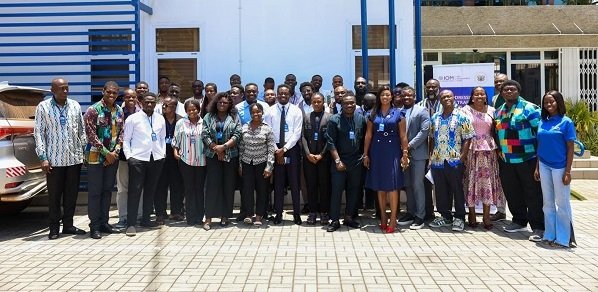
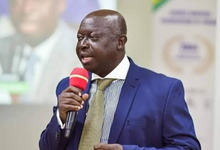
The Director of the Human Trafficking Secretariat (HTS) at the Ministry of Gender, Children, and Social Protection (MoGCSP), Mrs Abena Annobea Asare, has cautioned media houses and personalities to be circumspect and not allow their mediums to be used to traffic unsuspecting victims in the name of the upcoming 2026 FIFA World Cup, scheduled for the USA, Canada, and Mexico between June 11 and July 19 this year.
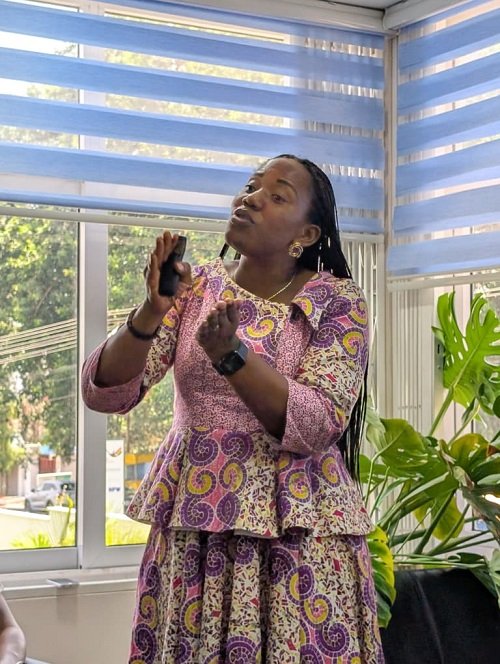
“Traffickers have turned their attention on using the upcoming 2026 FIFA World Cup to carry out their nefarious activities and are using media houses to push their agendas,” she said.
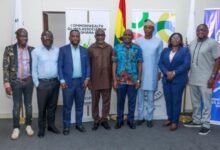
Speaking at a day’s media training organised by the International Organisation for Migration (IOM) in Accra, Mrs Asare said trafficking for sports is done here in Ghana through deception, fraudulent contracts, exploitative contracts, QNET human trafficking syndicates, migration and sporting events like the World Cup.
“The QNET criminal syndicates have been set in motion for the 2026 World Cup. We have done a lot of interceptions in recent times, but they are still deceiving people that they will help them with visas to go and watch the World Cup, especially in the United States,” she noted.

According to her, the majority of the times, journalists and media houses become recruiters for traffickers directly and indirectly without knowing.
She revealed that “These traffickers use your medium through some juicy adverts to lure unsuspecting victims into the trafficking trade, and I can tell you this is going on ahead of the upcoming 2026 FIFA World Cup.”
According to her, “Most often football recruitment agencies, travel and tour groups and others use the sports media to carry out their clandestine activities, and as long as the advert is coming from you, the media, people feel it is very genuine, and they fall for it.”
She further noted, that traffickers have money to pay any amount at any point in time to get what they want across to get unsuspecting victims through the media.
Against this backdrop, she called on media houses, media personalities, celebrities among others, who endorse most of these travel-facilitating opportunities to conduct thorough background checks on who they are dealing with in order not to fall foul of the human trafficking laws.
She added that “A paid-for advert does not mean one should not do the necessary due diligence before putting out the information or advert.”
Madam Asare revealed that anyone who facilitates the trafficking of a person commits an offence and may be punished the same way as the actual trafficker.
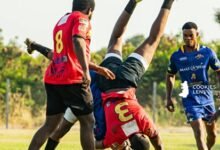
The former handball player with the University of Ghana, she revealed that recent data has shown that men are being raped and exploited sexually.
“Men, including footballers, are drugged and forced to sleep with three to four or more women in a day; these are the realities of some men,”she said.
“Often such cases are trivialised. I once had victims like that from Libya, and while they were narrating their ordeals, they were crying that they could not explain themselves because their colleagues would laugh at them,” she revealed.
The director of the anti-human trafficking unit, criminal investigation department of the Ghana Police Service, Mr William Ayaregah, took participants through topics such as the introduction and definition of trafficking in sports, elements of trafficking in sports, understanding trafficking in sports, trends and risks in trafficking in sports, and the nature of recruitment and exploitation, among others.
He said human trafficking is a crime that strips people of their rights, ruins their dreams, and robs them of their dignity and tasked the media to help stop this crime.
National Communications officer at IOM Ghana, Madam Angela Bortey also took the media through how to report on human trafficking stories as well as the general principles in portraying Trafficking In Person (TIP) cases and victims in mass media.
BY RAYMOND ACKUMEY