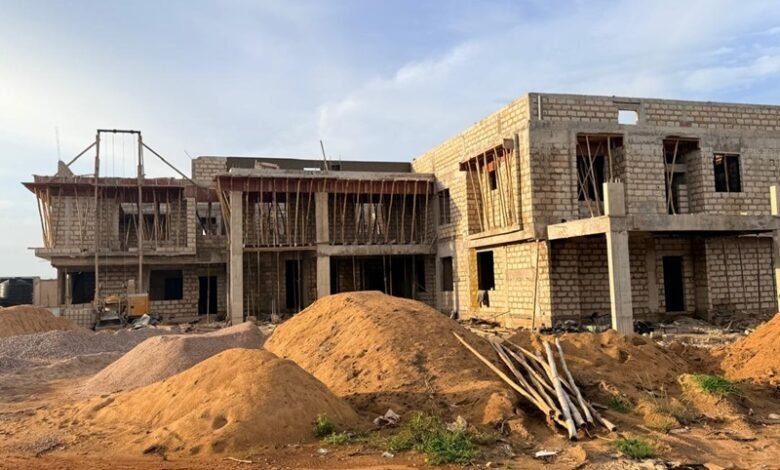
For years, Nalerigu carried the title of a district capital without many of the physical and institutional trappings that gave such a status meaning.
Today, the picture is gradually changing.
Since its elevation as the capital of the North East Region, the town has seen a growing presence of government institutions, new roads, schools and health facilities, alongside investments in water, electricity, agriculture and social protection.
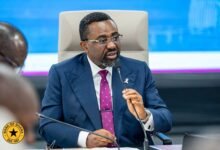
For the North East Regional Minister, Mr Tia Ibrahim, the changes represent some of the immediate benefits of creating the region.


In an exclusive interview with The Ghanaian Times in Nalerigu on Friday, he said the Regional Coordinating Council (RCC), working with the six Municipal and District Assemblies (MDAs), development partners and other stakeholders, had focused on sectors considered critical to the region’s development.
A capital takes shape
Some of the clearest signs of change are visible in Nalerigu’s growing administrative importance.
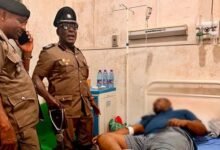
The town now hosts the RCC, the Regional Police Command and several government agencies, giving residents access to institutions that previously required them to travel outside the region.
Mr Tia said the establishment of the institutions had strengthened Nalerigu’s role as the regional capital and improved access to government services.
The establishment of the Regional Highways Directorate, he added, was also strengthening the region’s capacity to coordinate road development locally.
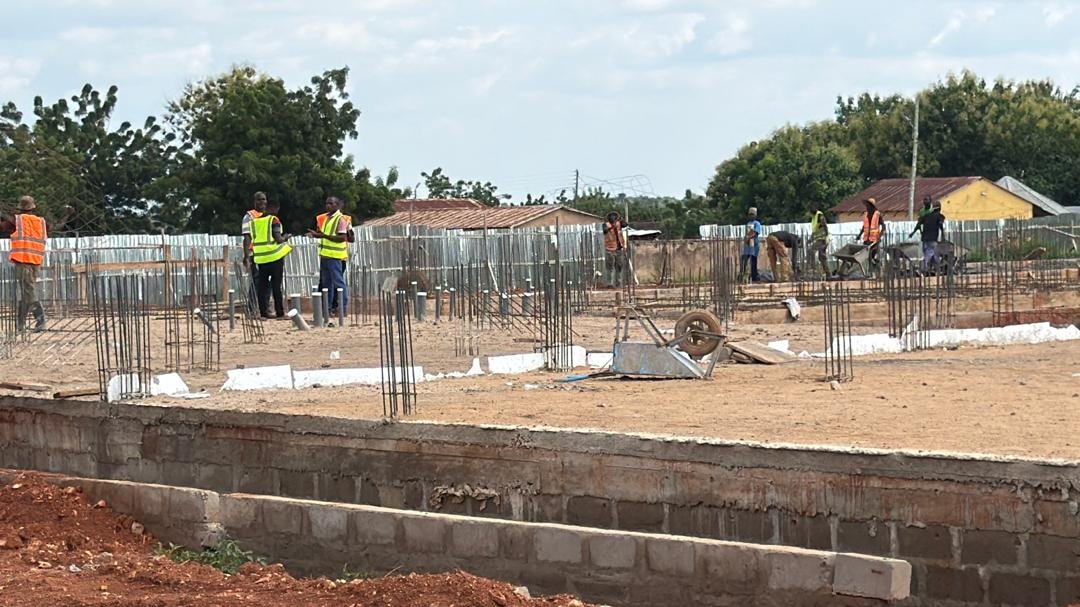
But a regional capital is defined by more than offices. Its importance is also measured by the quality of services available to its people and the opportunities it creates for surrounding communities.
That is where education and healthcare have become particularly important.
Building human capital
Across the region, Mr Tia said 85 schools had been initiated and constructed, including classroom blocks, administration facilities and dining halls.
The projects, he explained, were intended to improve the conditions in which children learnt while building the human capital needed to sustain the region’s development.
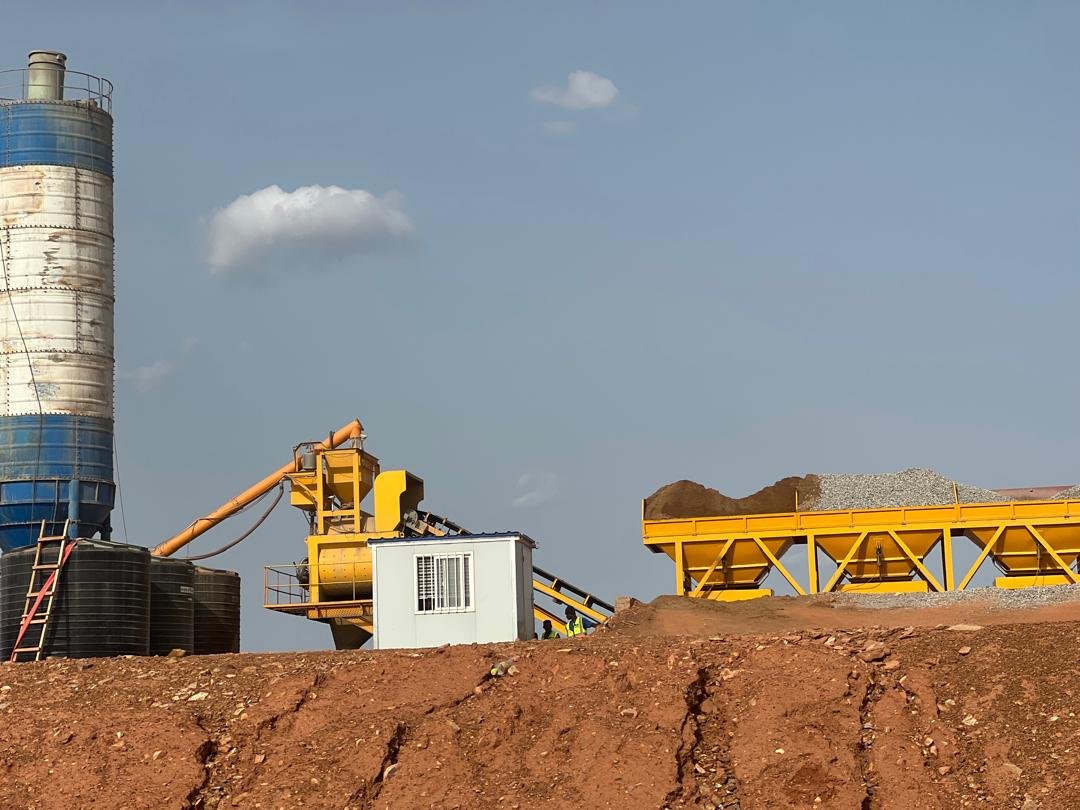
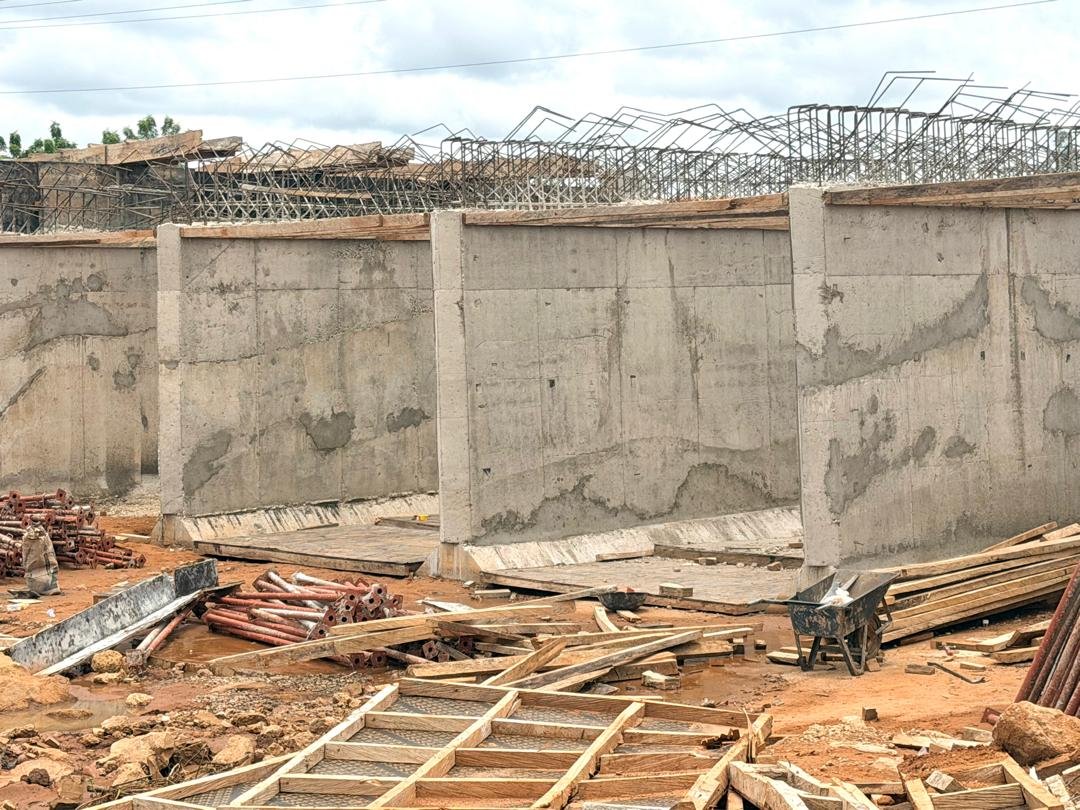
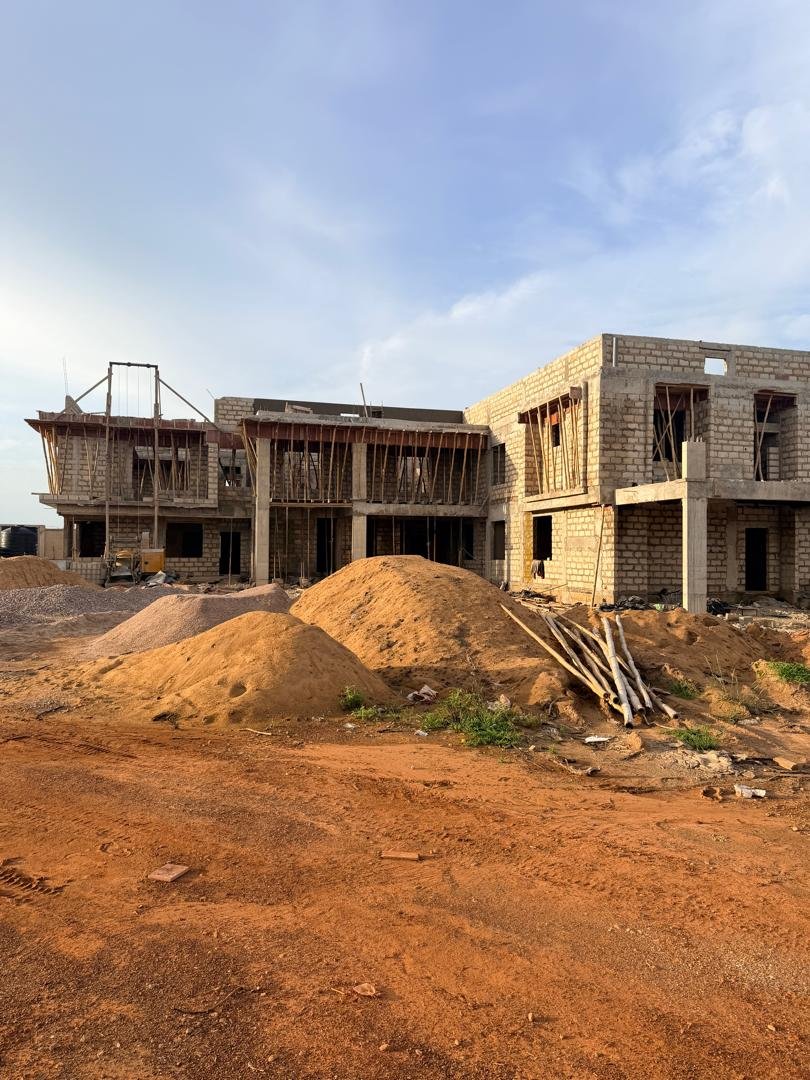
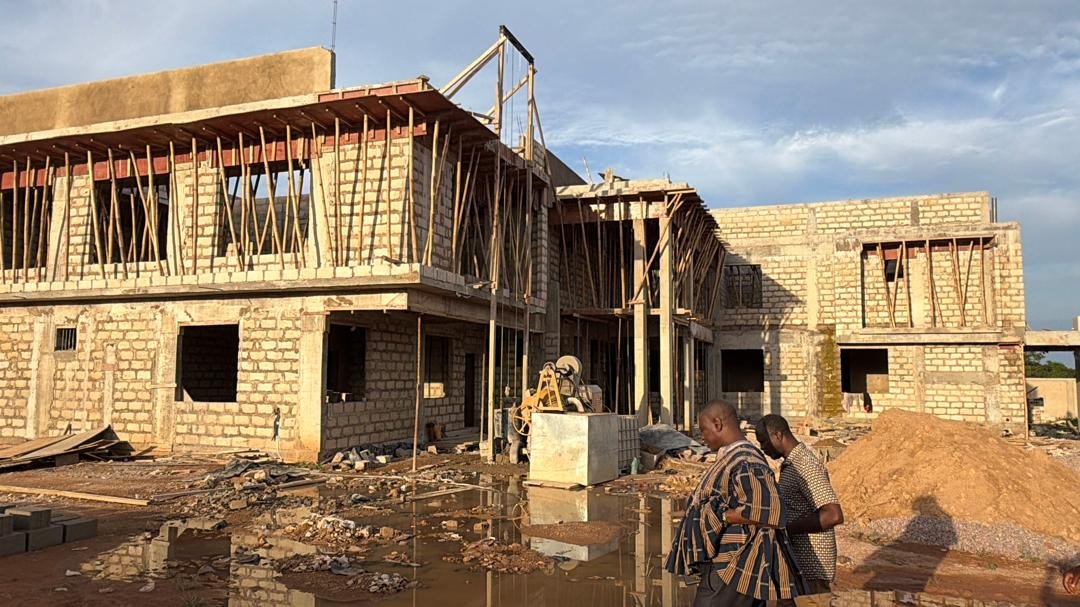
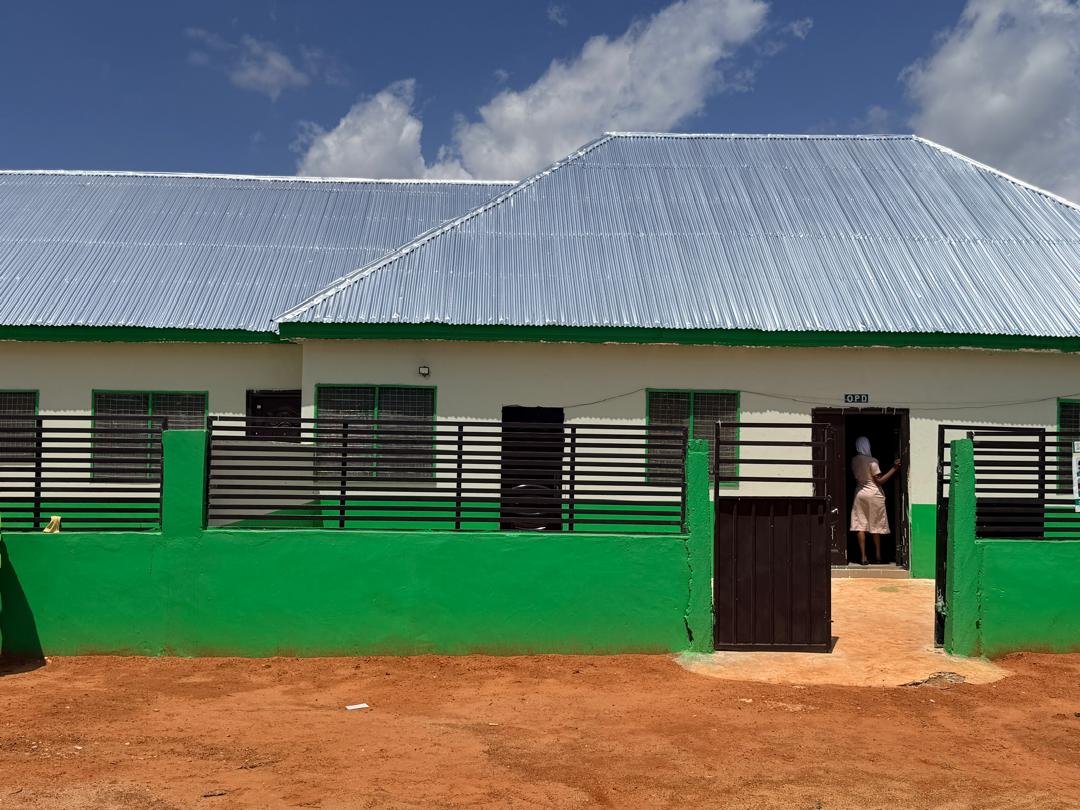
Healthcare infrastructure has also expanded, with 30 facilities either constructed, rehabilitated or completed, alongside investments in equipment and logistics.
For a region where distance can determine whether a resident receives timely medical attention, such facilities have significance beyond the physical structures.
Mr Tia said all six districts had been included in Phase One of the government’s Free Primary Healthcare Policy, with 10 health kiosks expected to support its implementation.
Under the Ghana Medical Trust Fund, popularly known as Mahama Care, the Baptist Medical Centre had been assessed for specialist services and referrals.
The Tamale Teaching Hospital, he added, had been selected as the referral centre for specialist cancer care for the Northern Zone.
Agriculture: the economic backbone
Away from the administrative centre, agriculture remains the main livelihood for large sections of the population.
Mr Tia said 20,000 bags of fertiliser, 500 bags of hybrid maize seed and 100 water pumps had been distributed to farmers under government interventions.
Another 600 bags of fertiliser had been supplied to 13 schools to support school farming.
Under the Sustainable Agriculture Development Programme, 1,670 cockerels had also been distributed to farmers in East Mamprusi and Mamprugu Moagduri.
But the challenges facing agriculture extend beyond the availability of inputs.
Dry-season farming remains constrained by access to water, prompting preparations to procure a borehole drilling rig to support farming activities.
Mr Tia also pointed to the region’s potential for large-scale rice production and urged investors to explore its agricultural lands.
If that potential is matched with irrigation, reliable roads, storage facilities and access to markets, agriculture could provide one of the strongest economic foundations for the young region.
Roads connecting opportunity
The road network is therefore significant not only for mobility but also for commerce.
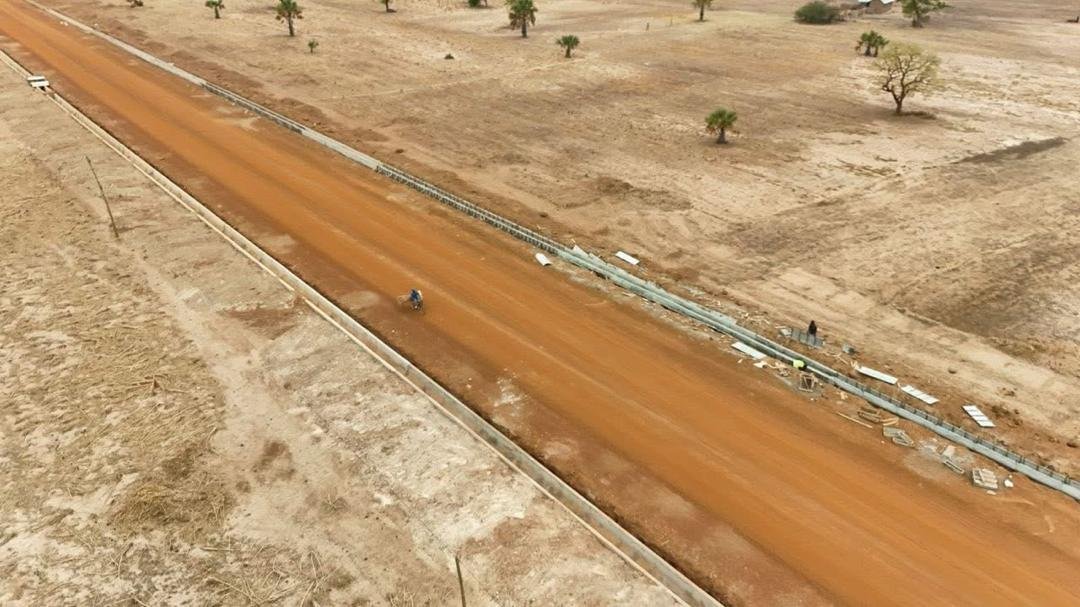
Mr Tia said the 44-kilometre Gbintiri-Nakpanduri road was being rehabilitated under the Big Push Policy, while the Nalerigu-Gbintiri road was being upgraded.
Work was also ongoing on the 25.8-kilometre Nalerigu-Nakpanduri road and the 15.2-kilometre Bende-Bunkprugu road, as well as roads within Nalerigu.
The Nakpanduri-Bende road had been resealed, while five kilometres of the unpaved Bunkprugu-Wanjaga road had been rehabilitated.
For farmers, traders, students and patients, such roads mean more than kilometres of asphalt or graded surfaces.
They determine how quickly farm produce reaches markets, how easily people can access schools and hospitals, and how connected communities are to the administrative centre.
Water and power
The expansion of infrastructure has also brought renewed attention to two basic necessities, water and electricity.
Mr Tia said 26 borehole projects had been initiated, with 10 completed and 16 at various stages of completion.
Contracts had also been awarded through the Ghana Irrigation Development Authority for the rehabilitation of the Nalerigu and Langbinsi dams for domestic and commercial use.
Mechanised boreholes are also expected to be drilled across the region through the Community Water and Sanitation Agency.
Electricity supply, meanwhile, remains an area requiring further investment.
The minister said efforts were underway to move the region’s power supply from the Garu Sub-station to the Pwalugu Sub-station through Mimima and Walewale.
Plans were also underway for a dedicated sub-station, while 1,300 streetlights had been distributed to the districts.
Keeping the peace
Development, however, cannot be sustained without peace and security.
The RCC has therefore worked with security agencies, traditional authorities, community leaders, development partners and youth groups to maintain relative peace in the region, Mr Tia said.
The Community Safety and Security Management (CSSM) and the United Nations Population Fund (UNFPA) had supported police operations with motorbikes in Chereponi, Yunyoo-Nasuan and Bunkpurugu.
An anti-drug committee had also been established to help tackle drug use among young people.
The interventions reflect an approach in which security is seen not solely as the responsibility of the police but as a shared responsibility involving communities and young people.
Development must reach the vulnerable
For a region still confronting economic and social vulnerabilities, development is also being measured by who benefits from public interventions.
Mr Tia said the government had settled outstanding debts owed to caterers under the school feeding programme.
Through the District Assemblies Common Fund, 1,607 persons with disabilities — 754 men and 853 women — had received support so far.
The assistance included small ruminants, start-up capital, deep freezers, educational support and fertiliser.
The Youth Employment Agency had also engaged 3,421 young people in various programmes since 2025.
If sustained, such interventions could provide vulnerable groups with opportunities to participate more actively in the region’s economy.
The real measure
For Nalerigu, the transformation remains a work in progress.
Mr Tia acknowledged that the North East was a young region and could not be expected to have the institutional depth of regions with decades of administrative development.
That, however, makes the question of accountability even more important.
The growing list of projects and interventions will ultimately be judged not by the number announced, but by the structures completed, services delivered and communities that feel their impact.
The RCC, Mr Tia said, would focus on effective management of public resources, monitoring projects and strengthening citizen participation.
That places the emphasis firmly on delivery — completing projects on time, accounting for public funds and ensuring that development reaches communities beyond Nalerigu.
For a town once described more by its regional status than by its infrastructure, the signs of change are becoming increasingly visible.
The task now is to ensure that the emerging capital does not merely look like one, but functions as one — serving as an administrative, economic and social centre for the people of the North East.
FROM YAHAYA NUHU NADAA, NALERIGU