Early antenatal care key to reducing risk of preterm births
A pregnancy may appear to be progressing normally, but certain health conditions and other risk factors may be putting the mother and baby at risk of preterm birth, with possible complications or even death.
In Ghana, preterm birth remains a major public health concern and a leading cause of death among children under five.
Estimates indicate that about 128,000 babies are born prematurely each year, with approximately 8,400 children dying before their fifth birthday.
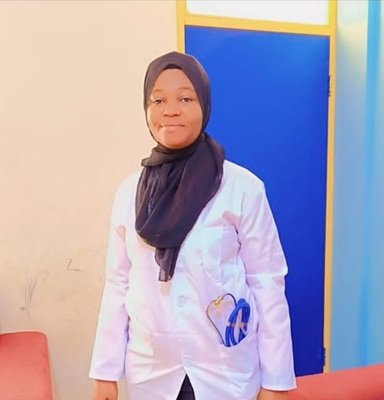
In an exclusive interview to mark Prematurity Awareness Month, Dr Umu-Hera Kanyan Kassim, a Medical Officer at the Paediatric Unit of the Upper East Regional Hospital, identified early antenatal care as critical to detecting and managing conditions that could increase the risk of preterm birth.
What is preterm birth?
Preterm birth, also known as premature birth, occurs when a baby is delivered before completing 37 weeks of pregnancy.
Typically, a full-term pregnancy lasts up to 40 weeks.
Babies born much earlier, particularly before 32 weeks, face greater risks of complications such as breathing difficulties, infections, feeding problems and developmental challenges because their organs may not be fully developed.
Why early antenatal care matters
Dr Kassim said early antenatal care was crucial to allow health professionals not only to assess the health of the pregnant woman but also to identify conditions that could put the pregnancy at risk of preterm birth.
She advised pregnant women to begin antenatal visits before 12 weeks of pregnancy.
Dr Kassim pointed out some conditions and risk factors associated with preterm birth, including:
- Anaemia
- High blood pressure
- Diabetes
- Malaria
- Urinary tract and vaginal infections
Although some risk factors, such as multiple pregnancies and certain cervical conditions, may not be within a mother’s control, Dr Kassim said early medical attention could help identify complications and guide appropriate care.
Warning signs pregnant women must not ignore
Pregnant women should seek immediate medical attention if they experience any of the following before their expected delivery date, Dr Kassim cautioned.
- Unusual contractions: Regular or repeated tightening of the abdomen before the expected time of delivery could be a sign of preterm labour.
- Breaking or leaking of waters: A sudden gush or continuous leakage of fluid before labour begins requires urgent medical assessment.
- Vaginal bleeding: Any bleeding during pregnancy should be checked promptly.
- Trauma or injury: A fall, accident or injury during pregnancy should be reported to a health professional for assessment.
“Women should not wait until their next antenatal appointment or attempt to manage these signs at home,” Dr Kassim advised.
Five steps to reduce the risk of preterm birth
1. Book antenatal care early: Visit a health facility as soon as pregnancy is suspected, preferably before 12 weeks. Early booking gives health professionals time to assess the mother, identify risk factors and plan appropriate care.
2. Do the recommended tests: Do not skip antenatal investigations. Blood tests can detect anaemia, while urine tests help identify infections. Blood sugar checks and other recommended assessments can also identify conditions that require treatment.
3. Take prescribed medication: Take recommended iron supplements, malaria preventive medication and other antenatal medicines as directed. Sleep under insecticide-treated mosquito nets and keep surroundings free of stagnant water to reduce exposure to malaria.
4. Eat well and manage existing conditions: Maintain a balanced diet to reduce the risk of malnutrition and anaemia. Women with hypertension or diabetes should follow medical advice and attend appointments for proper monitoring.
5. Avoid harmful substances and self-medication: Avoid alcohol and smoking during pregnancy. Do not take over-the-counter medicines or herbal preparations without medical advice, and report unusual symptoms or suspected infections promptly.
Key takeaway
Dr Kassim said early antenatal care was more than routine pregnancy monitoring; it provided an opportunity to identify risks, act early and give babies a better chance of reaching full term.
Families and communities must support pregnant women and desist from attributing unusual pregnancy symptoms to spiritual causes instead of seeking medical assessment.
Lastly, although preterm birth can be prevented, it is not a death sentence should it occur.
“We have care guidelines for preterm babies to enable them to survive and live their full lifespan,” Dr Kassim said.
BY ABIGAIL ANNOH
SKIP THE QUEUE, TAP THE NEWS

Read the Ghanaian Times and The Spectator newspapers from the comfort of your device via TimesNewsPlus.
Follow our WhatsApp Channel now! https://whatsapp.com/channel/0029VbAjG7g3gvWajUAEX12Q