Human resource development crucial to transforming mining into engine of industrialisation – Dr Ashigbey
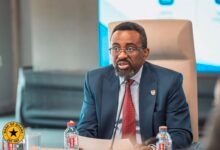
Ghana could transform its mining sector into a major engine of industrialisation if it developed the human capital and local enterprises needed to design, manufacture and maintain mining technologies, the Chief Executive Officer of the Ghana Chamber of Mines, Dr Kenneth Ashigbey, has said.
He said the future of mining would be increasingly automated, remote and intelligent, but stressed that its success would ultimately depend on people with the right skills, knowledge and capacity to manage and improve emerging technologies.
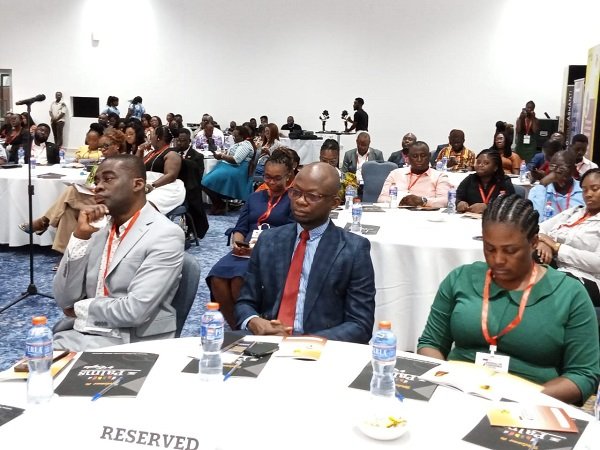
Dr Ashigbey made the call at the seventh Biennial Human Resource Conference of the Ghana Chamber of Mines, held in Accra on the theme: ‘Future-Ready People: Building the Workforce for Ghana’s Next Era of Mining.’
The conference was organised by the Chamber with support from mining companies and brought together HR professionals and other stakeholders to examine the changing demands of the industry.

Dr Ashigbey urged HR professionals to redefine localisation in mining by focusing on developing Ghanaian capabilities rather than merely increasing the number of Ghanaians employed in the sector.
He challenged the industry to consider whether Ghanaian professionals were simply operating imported technologies or developing the skills needed to design, manufacture and improve them.
“True localisation is the localisation of capabilities. It is knowledge transfer, technological competence, research capability and original knowledge,” he said.
He said the mining industry of the future would require workers who could “learn, unlearn and relearn” as technology evolved.
Dr Ashigbey urged mining companies to create workplaces where employees could experiment, question existing practices and innovate without fear of failure, while maintaining strict safety and operational standards.
“People need room to experiment intelligently, to test ideas, to question assumptions and to fail forward,” he said.
He also called for stronger collaboration between universities and industry through industrial attachments, joint research, mentorship and opportunities for experienced mining professionals to share their expertise with students.
“Our greatest untapped resource is our human potential,” Dr Ashigbey said.
The Chief Executive Officer of Telecel Ghana, Mrs Patricia Obo-Nai, who was the guest of honour called on employers to invest in building the digital skills of their workforce to meet the changing demands of the labour market.
Mrs Obo-Nai, who was the guest of honour, said Artificial Intelligence (AI) was transforming the world of work, making continuous skills development essential for employers and HR professionals.
She said the future of work should not be framed as a contest between humans and machines, but as an opportunity to combine human intelligence with AI.
“The real story about people is not about machines. It is about people who will explore and combine both HI and AI,” she said.
Mrs Obo-Nai said HR professionals must move beyond recruiting people to fill existing vacancies and instead identify the capabilities their organisations would need in the future.
“A future-ready workforce must start with a future-ready HR team,” she said, urging HR directors to become strategic business partners who understood their organisations and the industries in which they operated.
She noted that technologies such as autonomous mining vehicles, AI-driven mineral processing, drones, predictive systems and cleaner energy were already reshaping the mining industry.
She therefore stressed the need for sustained investment in people to ensure Ghana was prepared to take full advantage of the opportunities presented by the next era of mining.
BY KINGSLEY ASARE