Invest more in foundational learning — Haruna Iddrisu
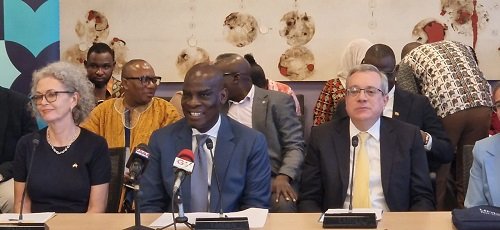
The Minister of Education, Mr Haruna Iddrisu, has called for increased investment in foundational learning, particularly literacy and numeracy, to improve learning outcomes and address persistent challenges in Ghana’s education sector.
He said although Ghana had made significant progress in expanding access to education, access alone did not guarantee that children were acquiring the knowledge and skills expected at their respective grade levels.
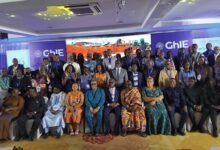
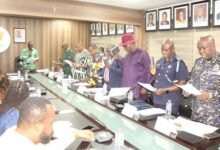
Speaking at the Ghana and Regional Foundation Learning Evidence and Implementation Support Day in Accra yesterday, Mr Iddrisu said the country must prioritise foundational learning and channel more resources towards ensuring that children were actually learning.
He stressed the need for evidence-based education policies, citing an Auditor-General’s report which revealed that about 10,700 public basic schools across 13 regions, with a combined enrolment of more than three million pupils, lacked adequate classrooms.
The Minister said the situation required urgent attention, particularly because the 1992 Constitution guarantees free, compulsory and universal basic education.
He also stressed the importance of education and skills development in addressing youth unemployment and underemployment.
Mr Iddrisu said the Ghana Accountability for Learning Outcomes Project (GALOP) had used evidence to identify about 10,579 low-performing basic schools and channel additional resources and technical support to them.
According to him, equal financing did not necessarily result in equitable outcomes, as schools in disadvantaged communities faced different challenges and therefore required targeted interventions.
The Minister further disclosed that Ghana’s curriculum from kindergarten to Primary Six had been revised to strengthen ethical and moral education, as well as digital and technical skills.
The World Bank Country Director for Ghana, Mr Robert Taliercio, said a stronger focus on digital skills was needed to prepare Ghanaian children and young people for further education and employment.
He said Ghana had made significant progress in expanding access to education, with gross enrolment at the kindergarten and primary levels increasing to more than 100 per cent in 2026.
However, he noted that too many children still completed the early grades without mastering age-appropriate foundational skills.
Mr Taliercio said a 2019 International Finance Corporation (IFC) study found that only 22 per cent of adolescent boys and eight per cent of adolescent girls had relevant Information and Communication Technology (ICT) skills, despite more than 60 per cent of jobs requiring at least basic digital fluency.
He said the mismatch between the skills produced by the education system and those required by the private sector was contributing to difficulties faced by young people entering the workforce.
The Development Director at the UK in Ghana, Ms Terri Sarch, urged Ghana to move beyond pilot projects and scale up education interventions proven to improve learning outcomes.
She said foundational literacy and numeracy were gateways to future learning and employment, stressing the need for evidence to translate into policy and action at the classroom level.
Madam Sarch said Ghana had strong government ownership, committed institutions and a growing evidence base to drive meaningful and sustainable education reforms.
BY PRINCE ADDO FRIMPONG
Follow our WhatsApp Channel now! https://whatsapp.com/channel/0029VbAjG7g3gvWajUAEX12Q