Veep calls on African leaders to strengthen health systems
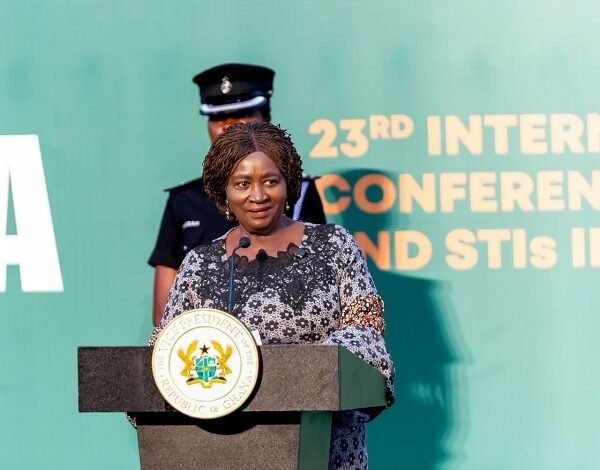
The Vice President, Professor Naana Jane Opoku-Agyemang, has called on African leaders to take bold, united action to secure the continent’s health future.
She said this when she opened the 23rd International Conference on AIDS and STI in Africa (ICASA 2025) held in Accra on Wednesday.
She urged leaders to step forward with clear vision, set their own priorities and build strong, self-reliant systems capable of ending AIDS, TB and malaria as public health threats.
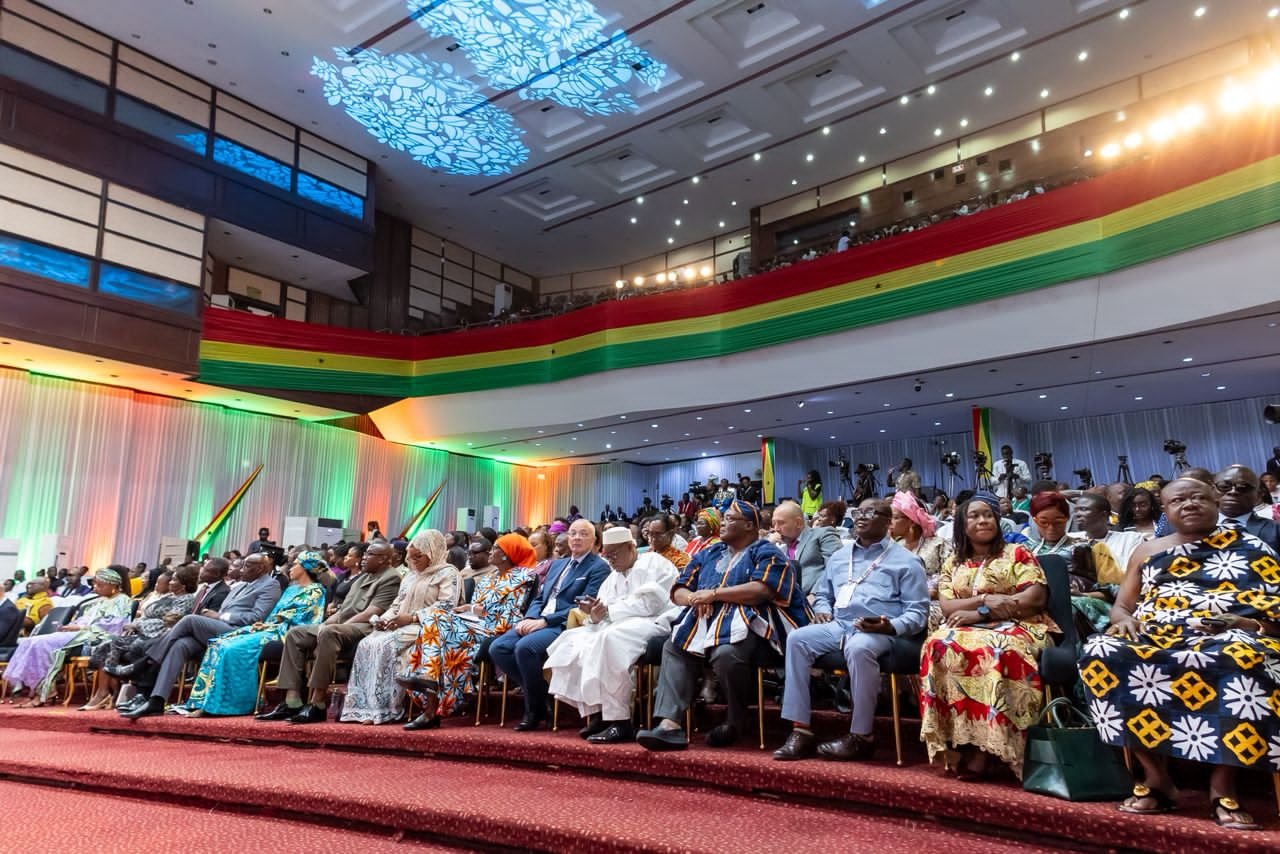
She noted that for over 30 years, ICASA had given Africa a platform to reflect, confront difficult truths, share scientific progress and renew its commitment to ending long-standing epidemics.

This year’s theme, she said, reflected a shifting world where donor priorities were changing, financial pressures were rising and global health emergencies were becoming more frequent.
In such a climate, she stressed, Africa must not wait for others but rather lead its own response.
The Vice President said progress had been recorded globally in reducing new HIV infections and AIDS-related deaths, especially through antiretroviral therapy, HIV self-testing and new prevention tools.
“Yet Africa, which carries more than two-thirds of the global HIV burden, continues to face large inequalities in access to services. While some countries are close to reaching the 95-95-95 targets, many remain far off,” she said.
“About 65 per cent of people living with HIV on the continent know their status, and although treatment has expanded, new infections continue to rise, especially among adolescent girls and young women,” she said.
She warned that Africa’s gains were fragile and must be protected with sustained political, financial and social commitment.
Stigma and discrimination, she said, remained major barriers to testing and treatment.
She also stressed that financing was one of the greatest tests the continent faces, with global support less certain than before. Africa must guard against losing the progress made over decades and must rebuild a strong foundation for future health security.
Professor Opoku-Agyemang said African countries must lead by strengthening domestic financing, improving disease surveillance, building manufacturing capacity and empowering communities and civil society groups.
She added that Ghana was working to support local production of vaccines, HIV commodities and essential medicines to reduce reliance on external suppliers.
The Minister of Health, Kwabena Mintah Akandoh, said treatment gaps remained the largest threat to achieving HIV epidemic control in the country.
President of the Society for AIDS in Africa (SAA), Dr David Pagwesese Parirenyatwa, called for collaboration among stakeholders to advance HIV/AIDS interventions on the continent.
BY AGNES OPOKU & ABIGAIL ANNOH
🔗 Follow Ghanaian Times WhatsApp Channel today. https://whatsapp.com/channel/0029VbAjG7g3gvWajUAEX12Q
🌍 Trusted News. Real Stories. Anytime, Anywhere.
✅ Join our WhatsApp Channel now! https://whatsapp.com/channel/0029VbAjG7g3gvWajUAEX12Q