
As the government prepares to present the 2027 Budget Statement and Economic Policy to Parliament tomorrow, businesses, workers, farmers and other sections of the public are looking to it for measures that will stimulate economic activity, create jobs and improve living conditions.
With unemployment, high business operating costs, infrastructure deficits and limited opportunities for young people remaining major concerns, many Ghanaians want the budget to translate the country’s economic recovery into tangible benefits.
There are growing calls for the government to go beyond achieving macroeconomic stability and prioritise productive investment, particularly in agriculture, manufacturing and agro-processing.
Stakeholders are also urging the introduction of tax incentives and other policy measures to encourage private sector growth and job creation.



Economists and industry players say strengthening the private sector, a major driver of employment and economic growth, will require a supportive business environment, reliable infrastructure, affordable energy and a predictable tax regime.
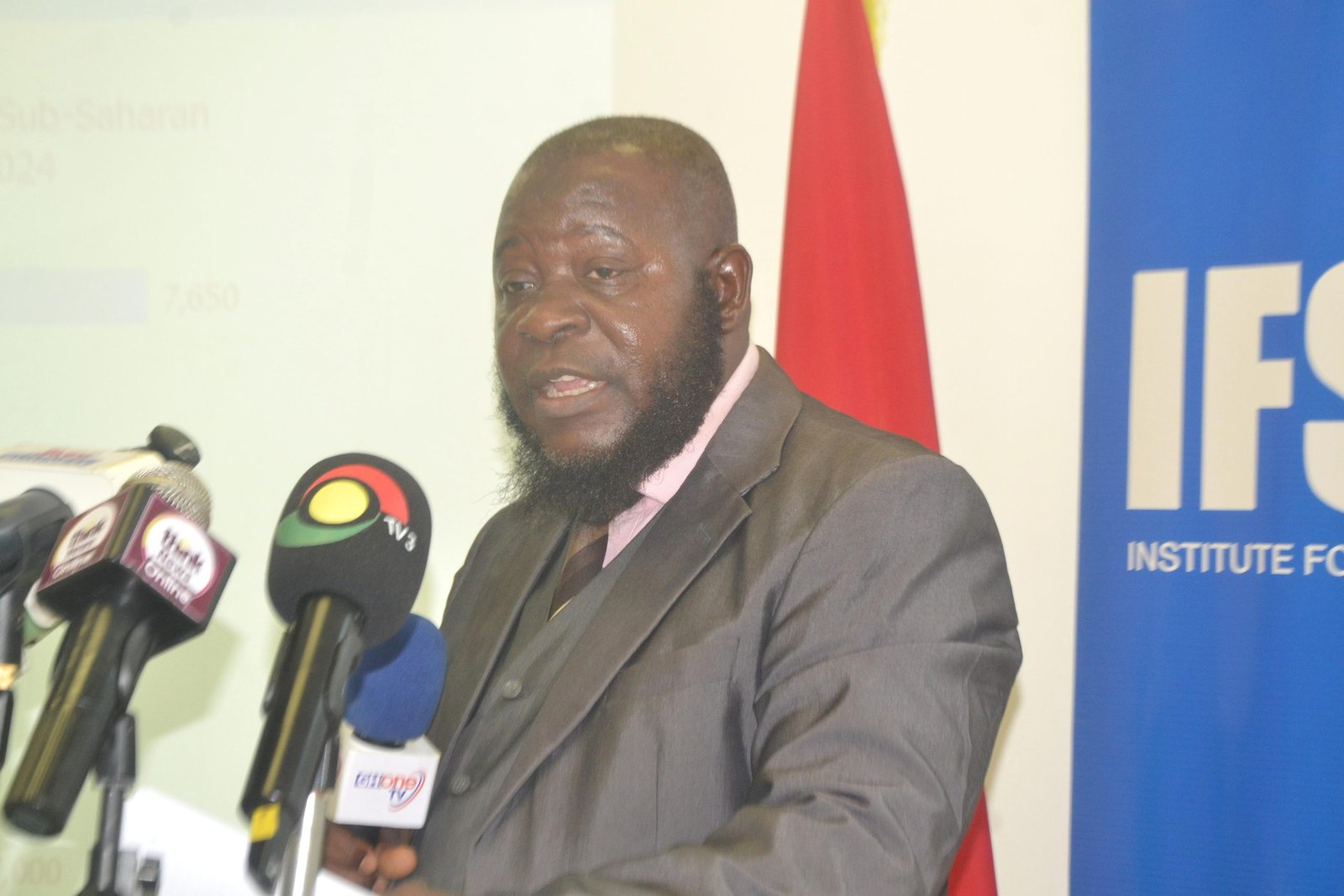
An economist, Professor Godfred Bokpin, in an interview with ABIGAIL ARTHUR of The Ghanaian Times, urged the government to use the 2027 Budget to strike a balance between fiscal discipline and increased strategic spending to address infrastructure gaps, stimulate businesses and create decent jobs.
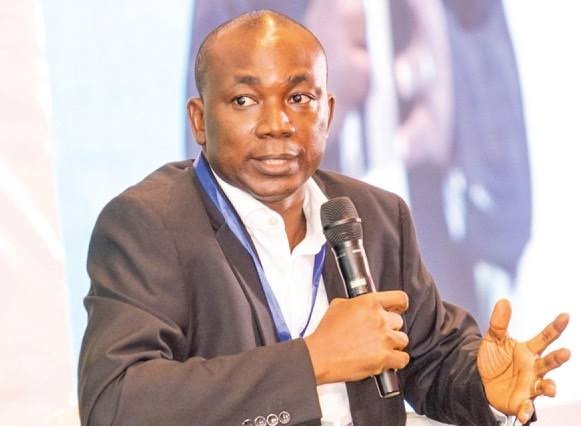
He cautioned that excessive expenditure controls could undermine the benefits of economic recovery if they were not accompanied by investments that directly improved the productive capacity of the economy.
Prof. Bokpin said although Ghana had made progress in restoring macroeconomic stability and reducing inflation, the gains had yet to translate into meaningful improvements in the lives of ordinary citizens.
He said the government needed to move towards progressive spending while ensuring that public funds were used efficiently to support economic growth and employment.
“You cannot be celebrating stability when all these things are going on,” he said, referring to labour unrest in the health, education and judicial sectors over conditions of service and other concerns.
He observed that improvements in economic indicators would mean little to people still struggling with unemployment, poor roads, traffic congestion and inadequate access to essential services.
“What is the meaning of inflation of 5.2 per cent for someone who is selling tomatoes or spending 12 hours to go to Kumasi? It means nothing to that person,” he said.
Prof. Bokpin identified the country’s infrastructure deficit as a major obstacle to job creation. He argued that economic growth driven largely by the services sector, particularly information and communications technology, could improve gross domestic product figures without creating enough jobs.
He, therefore, called for increased investment in manufacturing, agriculture, agribusiness and agro-processing, supported by infrastructure, logistics, technology and local production of inputs and equipment.
He said the government should adopt a value-chain approach to industrialisation by linking production to processing, packaging, transportation and maintenance services to create jobs at different stages of economic activity.
KINGSLEY ASARE reports that the Director of the Institute for Fiscal Studies, Dr Said Boakye, wants the government to review existing tax exemptions and avoid relying too heavily on them to attract investment.
He said the government should undertake a comprehensive review of all existing tax incentive packages, including corporate income tax exemptions across the various sectors of the economy, and abolish those that did not make economic sense.
He said the review should consider the revenue the government forfeited against the benefits derived, including employment opportunities for Ghanaians and foreign exchange inflows that supported the cedi, rather than foreign exchange earnings alone.
“Mere contributions to GDP by foreign-owned firms should not serve as a justification for continuous loss of government revenue through exemptions, since contributions to GDP, unlike to GNP (gross national product), may not necessarily benefit Ghanaians. Generally, the government should refrain from over-relying on tax exemptions/incentives to attract foreign investment, since studies have proven that persistent improvement in macroeconomic and political environments are the main attractors of investment, both foreign and local,” Dr Boakye stated.
He also called on the government to take a more active role in the country’s extractive sector through direct investment.
“This can be more effective if, like what Botswana does, the government partners with private investors in the sector. As we have recommended several times, to fund this active involvement in the extractive sector, the government may have to scale down its traditional public investment programmes (such as in infrastructure) for a while and direct the funds involved to the extractive sector so that more money could be raised later for accelerated public investment in the traditional areas,” he said.
Dr Boakye, however, said if the government found it difficult to raise funds for that purpose, it could adopt production-sharing agreements in the sector, which he said had proved a better alternative for generating revenue than the current concession regime.
The Chief Executive Officer of the Chamber of Mines, Dr Kenneth Ashigbey, called for incentives for local refineries to reduce their operating costs and help them compete effectively.
He said high energy costs put local refineries at a disadvantage and urged the government to consider allocating more hydroelectric power to them to reduce their electricity bills.
Dr Ashigbey also called for measures to address outstanding VAT refunds owed to mining companies, explaining that the largely export-oriented nature of their operations resulted in accumulated input VAT credits.
He further advocated a review of the mineral royalty sliding scale to protect the industry’s competitiveness, proposing higher price thresholds before increased royalty rates were triggered. Read More.
SKIP THE QUEUE, TAP THE NEWS

Read the Ghanaian Times and The Spectator newspapers from the comfort of your device via TimesNewsPlus.
Follow our WhatsApp Channel now! https://whatsapp.com/channel/0029VbAjG7g3gvWajUAEX12Q