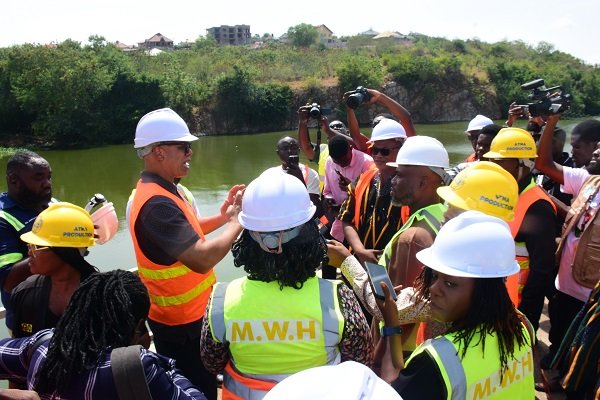
RESIDENTS of Accra may have to brace themselves to pay more for water as illegal activities around the Weija Water Treatment Plant persist, threatening the quality of water in the dam.
Encroachment, farming, sand winning and other human activities, including waste discharge, are increasingly deteriorating the quality of water flowing into the reservoir, making treatment processes more complex and costly.
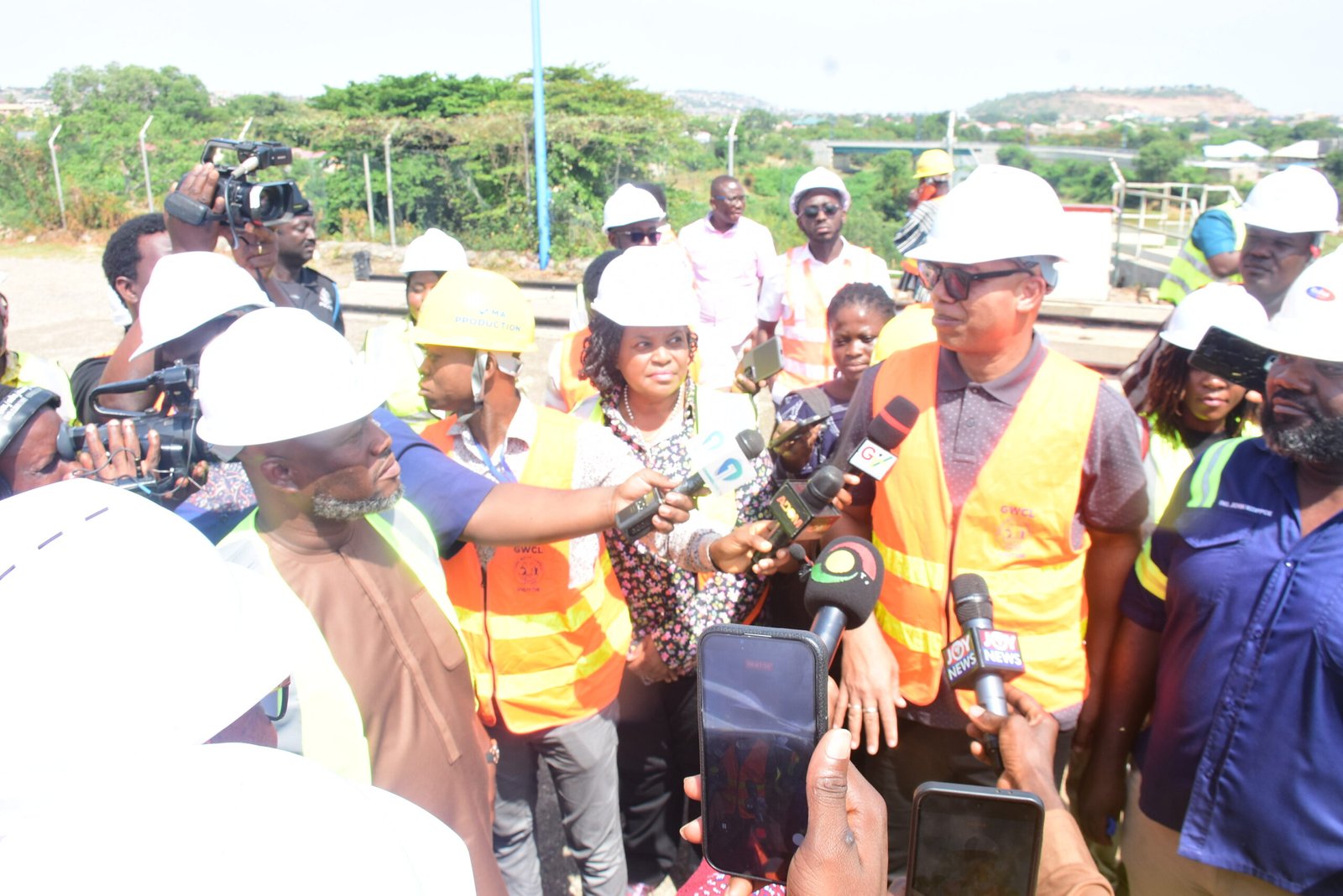
“Because of the pollution entering the reservoir, we have to use more treatment chemicals to bring the water to acceptable standards before it is supplied to consumers,” the Station Manager, Weija Water Treatment Plant, John Koppoe, revealed.
He disclosed this during a working visit by the Minister of Works, Housing and Water Resources, Kenneth Gilbert Adjei, to the facility yesterday.


The visit was to enable the minister to gain firsthand information on operational challenges at the dam, which supplies potable water to large parts of Western Accra and surrounding communities towards Kasoa in the Central Region.
Mr Koppoe said the use of chemicals by farmers within the catchment area had resulted in the growth of aquatic weeds, which frequently clog the plant’s pumps and screens.
“Aquatic weeds are costly to remove because they clog our screens and pumps, while landfill activities in the catchment are also blocking natural infiltration points and contributing to flooding,” he noted.
The Station Manager said while authorities were committed to supplying quality water for consumption, urgent measures needed to be taken to salvage the dam.
“Adequate supply of safe water is a basic necessity, and we never compromise on the quality of water we supply, but authorities and the public must work together to protect the catchment and sustain it,” he added.
In his remarks, the minister expressed concern about the level of encroachment around the dam and its potential impact on water quality and production.
“We all sometimes talk about the fact that our water bill is going up, but it is as a result of some of these things. If encroachers pollute the water, we have to spend more money treating it, and the resultant effect is that the price of the water bill would also rise,” he stated.
Mr Adjei disclosed that the ministry would, with immediate effect, coordinate with the Ministry of Local Government and National Security to prevent further encroachment and enforce punitive measures against offenders where necessary.
He assured that the government remained committed to ensuring that the plant operates at full capacity to guarantee reliable water supply to consumers.
Moreover, the minister used the opportunity to address broader water supply challenges across the country, particularly issues surrounding the Teshie Desalination Plant, which serves Teshie-Nungua and surrounding communities, including Prampram.
He confirmed that the government, in consultation with the plant owners, the Ministry of Finance and the Attorney-General, was working to resolve the challenges and bring the plant back into operation soon, urging residents to bear with the government.
BY ABIGAIL ANNOH
Join our WhatsApp Channel now! https://whatsapp.com/channel/0029VbAjG7g3gvWajUAEX12Q
Follow our WhatsApp Channel now! https://whatsapp.com/channel/0029VbAjG7g3gvWajUAEX12Q