Africa Must Act Now or Risk Being Left Behind – UNDP, Afrobarometer Warn
African governments have been challenged to act decisively to expand trade, reform their economies and give citizens a greater voice in policymaking or risk being left behind in a rapidly changing global order.
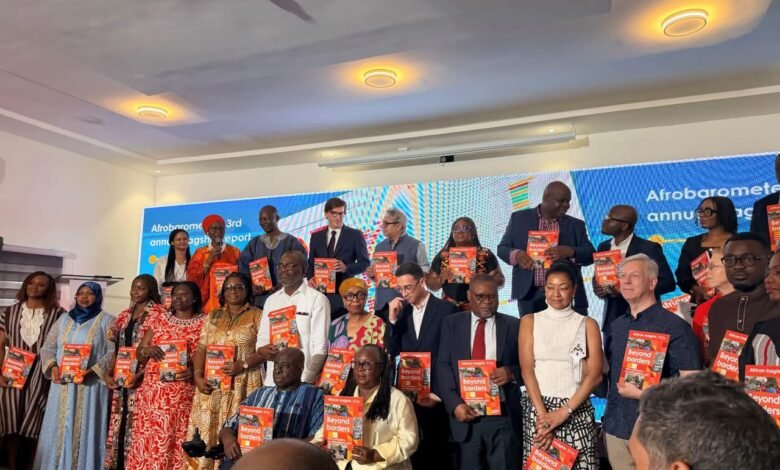
The warning came yesterday at the launch of Afrobarometer’s 2026 African Insights Flagship Report, Beyond Borders: Citizen Perspectives on a Shifting Global Order, which presents the views of citizens from 38 African countries on trade, migration, regional integration, global governance and the influence of major world powers on the continent.
The report argues that while Africa’s influence in global affairs is growing, policy debates often fail to reflect the opinions and experiences of ordinary citizens.
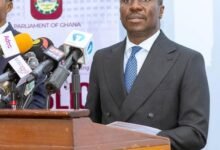
Speaking at the launch in Accra, the Resident Representative of the United Nations Development Programme (UNDP) in Ghana, Mr Niloy Banerjee, said Africa deserved a stronger voice in global governance but must first undertake bold reforms to transform its economies.

He said the continent should learn from Asian countries that had moved from poverty to prosperity through sound policies, investment in industry and effective public institutions.
“Africa’s future will not be determined only by decisions taken in global capitals. It will largely depend on the choices Africans make today,” he said.
Mr Banerjee said China was expected to attain high-income status after lifting millions of people out of poverty, while India had become the world’s fourth-largest economy and was on course to overtake Germany within the next two years.
He also cited Vietnam as an example of sustained economic growth driven by consistent national policies.
Drawing comparisons with Ghana, he said Malaysia, which attained independence in the same year as Ghana in 1957, had transformed its economy from dependence on agriculture into a global manufacturing hub for electronics, semiconductors and aircraft avionics.
He noted that although Malaysia remained one of the world’s leading palm oil exporters, its economy was now powered by high-value industries.
Mr Banerjee also highlighted India’s tax reforms, saying the digitisation of financial transactions had significantly increased government revenue by improving tax compliance and reducing opportunities for tax evasion.
He urged African leaders to focus on five priorities identified from the report. These include deepening trade through the African Continental Free Trade Area (AfCFTA), managing migration to maximise its benefits, strengthening Africa’s voice in global governance, accelerating climate action and building partnerships that promote sustainable and inclusive development.
Earlier, the Director of Communications of Afrobarometer, Ms Josephine Appiah-Nyamekye Sanny, said the report was based on nationally representative surveys conducted in 38 African countries between 2024 and 2025.
She said Afrobarometer had, since 1999, provided independent data on democracy, governance and the quality of life of Africans to support evidence-based policymaking.
According to her, the surveys are conducted through face-to-face interviews with adults aged 18 years and above in respondents’ preferred languages using nationally representative samples of between 1,200 and 2,400 people in each country, with a margin of error of between plus or minus two and three percentage points.
She said the report offered policymakers a unique opportunity to understand citizens’ expectations on Africa’s engagement with the rest of the world.
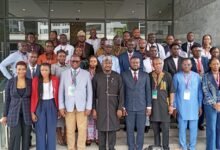
The launch attracted ministers, diplomats, development partners, researchers, civil society organisations, private sector leaders and members of the diplomatic community, who discussed how the findings could help shape policies that reflect the aspirations of African citizens as the continent seeks a stronger place in global affairs.
BY ENOCH NTIAMOAH SIAW