Nutrition requires sustained investment – Veep
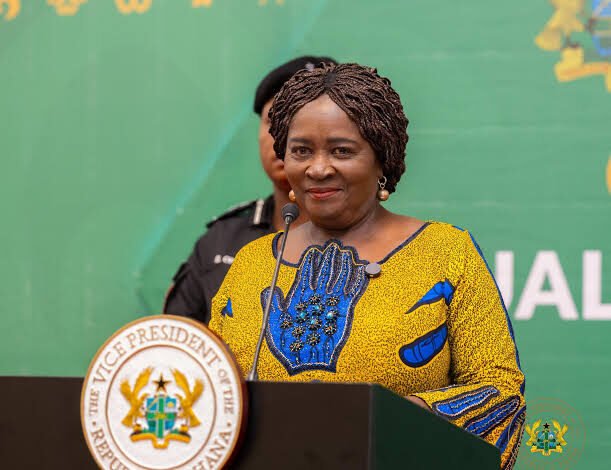
Ghana must urgently scale up investment in nutrition to halt the devastating effects of malnutrition on children, women and the country’s future, Vice-President Professor Naana Jane Opoku-Agyemang has said.
She said the fight against malnutrition could no longer be treated as a stand-alone health issue but required sustained investment and coordinated action across government and society.
Prof. Opoku-Agyemang made the call in Accra on Monday when she opened the Seventh Global Conference of the Micronutrient Forum.
She said malnutrition remained one of the biggest barriers to human development and required joint action by governments, scientists, development partners, civil society and the private sector.


According to her, poor nutrition during childhood could undermine physical growth, learning and future opportunities, while its effects on girls could extend into adulthood and pregnancy, putting the lives of both mothers and children at risk.
She said Ghana continued to face challenges, including anaemia among women and adolescent girls, poor diet quality and diversity, and inadequate breastfeeding during the first six months of life.
The Vice-President said nutrition was influenced by several factors, including food production, household income, school meals, access to information and health services.
She said the government was, therefore, working to integrate nutrition more closely into health, education, agriculture, social protection and local government systems.
Prof. Opoku-Agyemang said interventions already introduced included adolescent nutrition programmes, school feeding, maternal and child health services and social protection programmes.
She, however, stressed the need for a nutrition system that was properly funded, accessible and sustainable.
The Vice-President said efforts were being made to ensure that more children suffering from wasting received treatment, including access to therapeutic foods, while the government had committed funds for essential nutrition commodities, multiple micronutrient supplements and equipment to assess and monitor nutritional status.
On school feeding, Prof. Opoku-Agyemang said the programme currently reached more than 4.5 million children, with the government working to improve nutritional standards, caterer training and monitoring.
She stressed that increasing the number of children benefiting from the programme was not enough, as the nutritional quality of meals served to them was equally important.
Prof. Opoku-Agyemang said the Feed Ghana programme was also being used to increase domestic food production, improve food security and make nutritious food more available.
BY AGNES OPOKU SARPONG
You can now read the *Ghanaian Times* and *The Spectator* newspapers digitally on [TimesNewsPlus](https://timesnewsplus.com/newspapers).
Follow our WhatsApp Channel now! https://whatsapp.com/channel/0029VbAjG7g3gvWajUAEX12Q