Stakeholder consultation key to sustaining Free SHS – Dr Nkansah
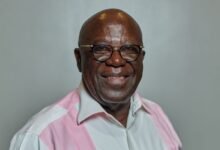
Inadequate stakeholder consultation and the perceived politicisation of Ghana’s Free Senior High School (SHS) policy could threaten the long-term sustainability of the flagship education intervention, a Policy Analyst and Lecturer at the University of Education, Winneba (UEW), Dr Jacob Oppong Nkansah, has warned.
He said although the policy had significantly expanded access to secondary education and reduced financial barriers for poor households, concerns remained over stakeholder ownership, programme design and sustainable financing.
Dr Nkansah raised the concerns yesterday at a public lecture in Accra on the topic, “Improved Access, Quality Questioned: A Report on Nine Years of Ghana’s Free SHS,” organised by the Centre for Policy Scrutiny (CPS).
He said teachers, principals, graduates and non-teaching staff had raised concerns about gaps in consultation during the formulation and implementation stages of the policy.


He said participants in the study identified both official and political rationales behind the introduction of the intervention, with the official objective focusing on bridging educational inequalities and expanding access, particularly for students from disadvantaged and first-generation families.
However, Dr Nkansah said some respondents believed the policy was also influenced by electoral considerations and campaign promises, creating concerns about stakeholder ownership and its continuity under successive governments.
He said the research, which employed a qualitative phenomenological approach, covered schools across four geographical zones and included Category A, B, C and D schools.
Dr Nkansah stressed the need for broader stakeholder engagement, clearer programme design and sustainable funding mechanisms to safeguard the future of the Free SHS policy.
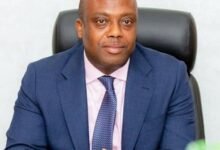
The Executive Director of the CPS, Dr Adu Owusu Sarkodie, however, called for concerted efforts to address the challenges confronting the Free SHS policy rather than abandoning the programme.
He said although the intervention faced challenges, including congestion in schools, its contribution to expanding access to secondary education and reducing financial barriers for families could not be overlooked.
Dr Sarkodie described the programme as one of the most transformational social interventions of Ghana’s Fourth Republic.
He said the policy had strong social and economic justification, explaining that investment in education contributed to poverty reduction, improved incomes and enhanced human capital development.
According to him, Ghana required an educated workforce, including skilled people within the informal sector, to improve productivity, professionalism and incomes.
Dr Sarkodie noted that the Free SHS policy had gained broad political acceptance, with the country’s major political parties now recognising its importance.
He said the CPS research examined both the achievements and challenges of the policy and would make recommendations aimed at strengthening its implementation.
The forum, he explained, formed part of efforts by the think tank to engage stakeholders, solicit ideas and enrich its research findings to help influence public policy.
He, therefore, urged participants to engage in objective and non-partisan discussions to help develop practical and sustainable solutions to improve the Free SHS programme.
BY EUGENE KWAME AMPIAW
You can now read the *Ghanaian Times* and *The Spectator* newspapers digitally on [TimesNewsPlus](https://timesnewsplus.com/newspapers).
Follow our WhatsApp Channel now! https://whatsapp.com/channel/0029VbAjG7g3gvWajUAEX12Q