Prof. Dittoh calls for renewal of value-based education in Ghana
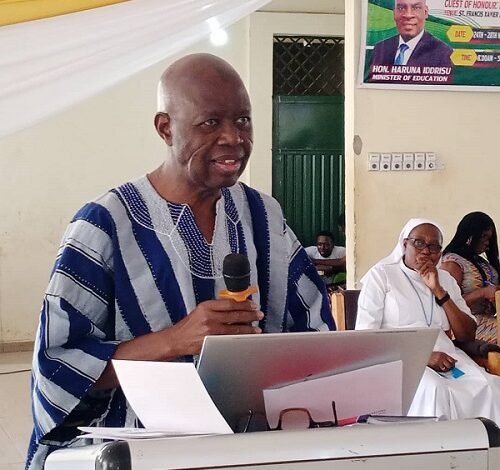
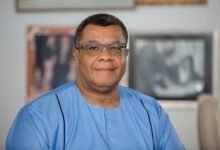
The story of Catholic education in Northern Ghana is one of resilience, faith, and unwavering commitment to human development, Professor Saa Dittoh, former Pro-Vice-Chancellor of the University for Development Studies, has said.
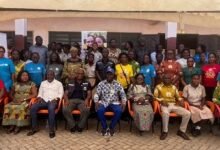
Speaking at the 21st Biennial Assembly of the Tamale Ecclesiastical Province Pastoral Conference (TEPPCON) in Wa, he emphasised that the future of Catholic education in the North had already been charted through the government’s decision to establish a Catholic Science and Technology University with a Faculty of Biomedical Sciences and a teaching hospital in Damongo.
He described the initiative as a divine response to decades of prayer and advocacy by the Church.
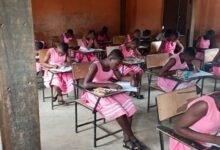
To illustrate the urgency, Professor Dittoh underscored the worrying decline in discipline, morals, and academic quality across Ghana’s schools. He stressed that religious bodies, which have historically anchored educational excellence, must rethink their role to prevent further deterioration.


He expressed confidence that bold reforms, driven by the President’s agenda to confront controversial issues in education, would renew the system and restore value-based learning.
Professor Dittoh noted that although the Catholic Church did not pioneer schooling in the entire country, it remained the second-largest provider of education after the state, managing more than 5,450 basic schools, 82 senior high schools, 41 diverse institutions, 13 colleges of education, two university colleges, and one full university.
Most Rev. Peter Paul Angkyier, Catholic Bishop of Damongo, highlighted successes in basic and secondary education, health services, water and sanitation projects, environmental protection, and the training of women for political participation.
He also cited the Catholic Academic Exchange Programme, which supports promising students to pursue higher studies.
Acknowledging persistent challenges, the Bishop pointed to shortages of qualified teachers in deprived areas, unclear lines of responsibility between the Church and government, inadequate funding, limited collaboration from some state agencies, and the exclusion of the Church from key educational oversight committees.
He argued that true progress required full partnership with institutions that built and continue to sustain education in the North.
FROM NAZIRU ALHASSAN, WA
🔗 Follow Ghanaian Times WhatsApp Channel today. https://whatsapp.com/channel/0029VbAjG7g3gvWajUAEX12Q
🌍 Trusted News. Real Stories. Anytime, Anywhere.
✅ Join our WhatsApp Channel now! https://whatsapp.com/channel/0029VbAjG7g3gvWajUAEX12Q