Antoine Semenyo Can Lead Ghana into a New Era
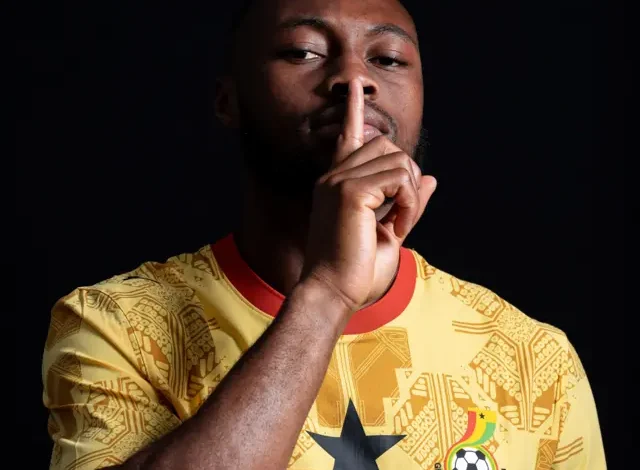
Ghana’s latest FIFA World Cup campaign ended in disappointment and reinforced the need to embrace a new generation of talent.
Another early exit exposed familiar weaknesses in consistency, game management and squad depth, and highlighted the players capable of driving the national team forward over the next four years.
One player stands above the rest in that discussion – Antoine Semenyo. He has developed into one of Ghana’s most important footballers following his move to Manchester City.
His rise has increased interest in Ghanaian football across the Middle East through his involvement with the United Arab Emirates-owned City Football Group.


Many Arab bettors wagered on Ghana’s games during the World Cup on the sportsbooks featured on the arabswin-uae.com/en/ comparison platform.
Semenyo was one of their better players at the tournament and will undoubtedly garner plenty of interest in player-focused markets as Ghana embark on a new era.
Semenyo’s Rise has Raised Ghana’s Global Profile
Ghana’s national team relied heavily on experienced figures such as Thomas Partey, Jordan Ayew and Andre Ayew in recent years.
Their contribution cannot be underestimated, but change is needed. Semenyo has emerged as the obvious player around whom the next generation can be built.
After establishing himself as one of the Premier League’s most dangerous forwards, he has earned widespread recognition for his pace, physicality and ability to operate anywhere across the front line.
His development has taken another significant step through his move to Man City, part of the UAE-owned City Football Group.
Playing within one of football’s most sophisticated club structures exposes Semenyo to elite coaching, world-class facilities and some of the best players in the game.
His success has inevitably shone a brighter spotlight on Ghanaian football. He has become an ambassador for Ghana, increasing international interest in their fortunes.
Ghana Must Fully Commit to its Next Generation
Modern international football is becoming faster, more tactical and increasingly demanding, and Ghana’s African rivals are making significant progress in player development and coaching.
Morocco’s achievements over recent tournaments have shown what is possible through long-term planning, while Senegal, Ivory Coast and Nigeria continue to produce players capable of competing at Europe’s biggest clubs.
Ghana possesses similar talent, but needs to build a squad that reflects the modern game. Semenyo should be one of the first names on the team sheet, while Mohammed Kudus is also capable of carrying the team’s creative burden.
Younger players gaining experience in Europe can provide the energy required to compete consistently at major tournaments. However, individual quality alone will not solve every problem.
The Black Stars must improve their defensive organisation, become more effective without possession and develop a clearer tactical identity that allows their attacking players to flourish rather than carrying the responsibility on their own.
There are More Reasons for Optimism than the Results Suggest
Although another World Cup exit naturally disappointed supporters, it should not overshadow the encouraging progress Ghana has made in developing elite-level footballers.
Semenyo’s journey from English football’s lower divisions to becoming one of Africa’s most highly regarded forwards demonstrates the pathway available to future Ghanaian players.
Greater visibility for Ghanaian football means scouts are paying closer attention to young players emerging from the country’s academies, creating more opportunities for the next generation to establish themselves in Europe’s leading leagues.
The Ghana Football Association now has the opportunity to build around a younger core while continuing to invest in coaching, youth development and domestic infrastructure.
If those foundations continue improving, Ghana should remain well positioned to compete for future Africa Cup of Nations titles and World Cup qualification.
The Next Cycle Could Define Ghana’s Future
Qualification for major tournaments can no longer be taken for granted, particularly with African football becoming more competitive every cycle.
However, Ghana still possesses the quality to remain among the continent’s strongest nations. Much will depend on how quickly the transition from one generation to the next is managed.
Semenyo appears ready to embrace greater responsibility, while Kudus and several emerging internationals should also be entering their best years before the 2030 World Cup.
Rather than attempting to recreate the successes of previous generations, the Black Stars should establish a fresh identity built around intensity, athleticism and tactical discipline.
Those qualities already define Semenyo’s game and make him the ideal player to lead the team into its next chapter.
Football history shows that periods of transition often precede success. Every major nation eventually reaches a point where experienced leaders step aside and younger players take control, and Ghana is at that crossroads.
The disappointment of the 2026 World Cup should be viewed less as the end of an era and more as the beginning of another.
Semenyo alone cannot transform Ghana’s fortunes, but his continued development at one of the world’s leading clubs provides the Black Stars with a genuine focal point around which to build.
If Ghana successfully surrounds him with a balanced, organised and ambitious squad, there is every reason to believe the next World Cup cycle could produce a far more positive outcome than the last.