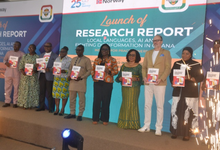
CoST Report highlights gaps in infrastructure delivery
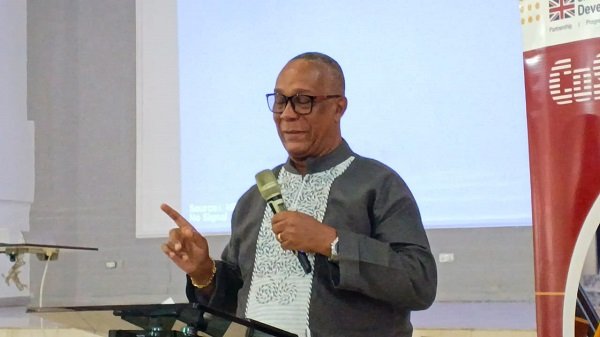
The Multi-Stakeholder Group (MSG) of the CoST Sekondi-Takoradi Chapter has reaffirmed its commitment to promoting transparency and ensuring value for money in infrastructure delivery in the Western Region.
It also pledged continued support for Ghana’s Open Government Partnership (OGP), particularly in advancing open contracting and beneficial ownership transparency.
The assurance was given at the launch and dissemination of the third CoST Independent Review Report, which assessed infrastructure projects across the 14 Metropolitan, Municipal and District Assemblies (MMDAs) in the region.
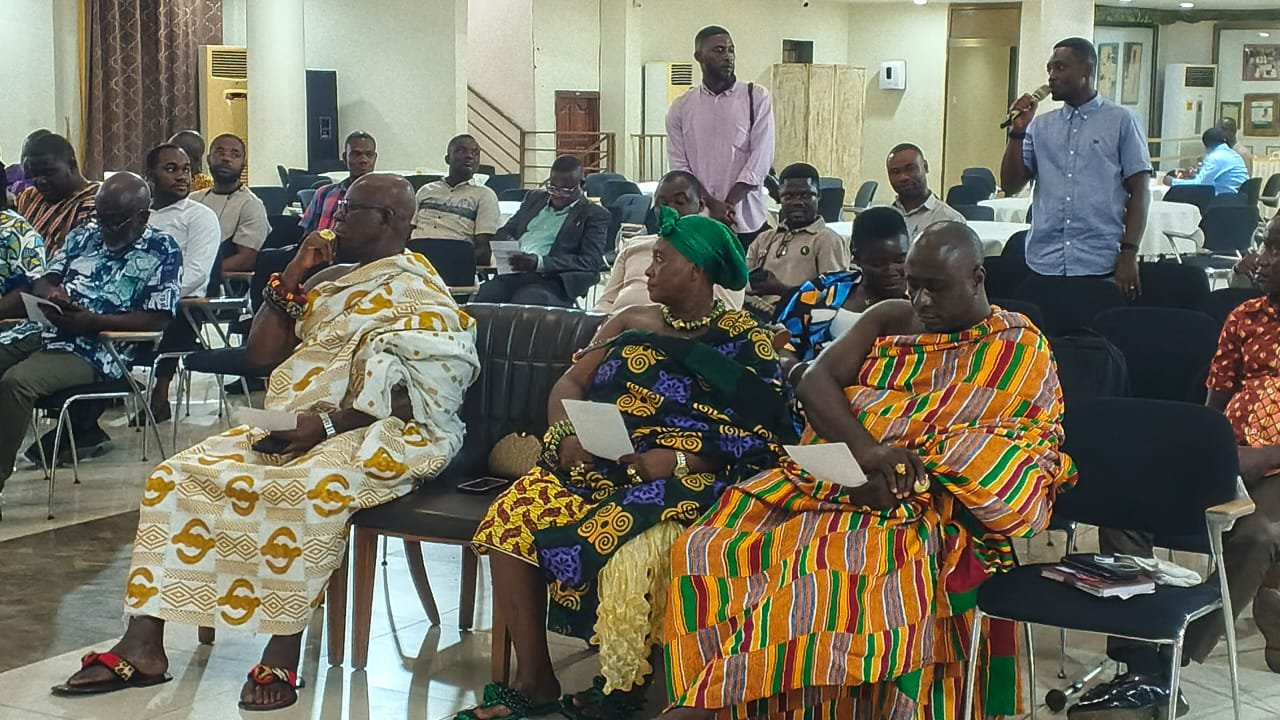
The report highlighted key findings and recommendations aimed at raising awareness of CoST’s work, encouraging the use of publicly available infrastructure data, promoting accountability and deepening citizen participation in project delivery.


The initiative aligns with provisions in the Public Procurement Act, 2016 (Act 914), the Local Governance Act, 2016 (Act 936), and the Right to Information Act, 2019 (Act 989).
Speaking at the event yesterday, the Chairman of the CoST MSG, Mr Eugene Ofori-Atta, said the occasion went beyond the unveiling of a report.
He explained that it reaffirmed the region’s commitment to building an infrastructure sector that was transparent, participatory, accountable and evidence-driven.
Mr Ofori-Atta noted that transparent infrastructure delivery had become a cornerstone of economic resilience and public trust globally, adding that the Western Region was steadily positioning itself as a leader in that regard.
He mentioned that CoST’s work at the sub-national level had, over the years, demonstrated what could be achieved when disclosure systems were strengthened, citizen monitoring was empowered and open contracting principles were consistently applied.
Mr Ofori-Atta added that Ghana’s experience had gained international recognition and showed that transparency was both achievable and transformative.
“This moment reflects years of collective effort by dedicated public officials, civic actors, professional bodies, contractors, journalists and citizen monitors who believe that infrastructure must serve people—and that transparency is essential to that mission,” he explained.
He further indicated that the Independent Review Report went beyond assessing data publication and disclosure performance to also examine infrastructure quality, climate resilience and integrity across the project lifecycle.
According to him, the report would trigger constructive and forward-looking discussions among both state and non-state actors on strengthening infrastructure governance.
The Monitoring, Evaluation and Learning (MEL) Officer of CoST, Mr Aziz Mahmoud, said the CoST principles had stimulated interest in transparency and quality within the infrastructure sector.
He underscored the need for wider dissemination of the report to ensure that all stakeholders, including the private sector, traditional authorities and government institutions benefited from its findings.
Mr Mahmoud noted that some assemblies, including the Shama District Assembly, had already begun addressing issues raised in the report even before its publication.
He revealed that CoST principles had gained national and global attention and were now part of the OGP framework under consideration at the Cabinet level, pending parliamentary approval.
Mr Mahmoud emphasised that the initiative was not about naming and shaming but rather about constructive engagement with civil society organisations and the media to improve national development outcomes.
He urged stakeholders to engage with the information from district assemblies and provide feedback in order to enhance service delivery.
The Team Lead, Prof. Matthew Somiah, drew attention to issues of overpayment and underpayment to contractors, and advised that engineers should focus not only on the percentage of work completed but also on the quality of work done.
He cited concerns about untreated water at a hospital and called for strict adherence to water quality standards, including the procurement of equipment to test potential hydrogen (pH) levels.
Prof. Somiah stressed that monitoring often focused more on physical progress and expenditure tracking than on quality assurance.
He underscored the importance of effective monitoring and evaluation systems, adequate logistics and improved digital disclosure to enhance infrastructure integrity.
FROM CLEMENT ADZEI BOYE, TAKORADI
ollow our WhatsApp Channel now! https://whatsapp.com/channel/0029VbAjG7g3gvWajUAEX12Q