Early intervention key to saving distressed enterprises – Auditor-General
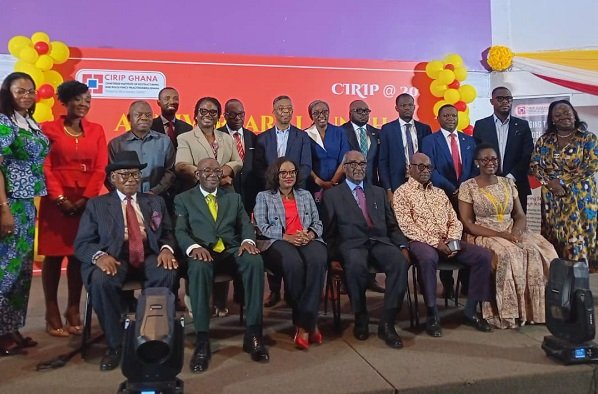
The Auditor-General, Dr Pamela Graham, has urged State-Owned Enterprises (SOEs) and other public entities to seek professional restructuring support at the early stages of financial or operational distress to prevent the loss of economic value.
She said early intervention would enable distressed entities to identify their financial and operational challenges and develop appropriate turnaround strategies.
Dr Graham made the call in Accra on Tuesday at the launch of the Chartered Institute of Restructuring and Insolvency Practitioners (CIRIP) Ghana’s 20th anniversary celebration.
The event was held under the theme, “Rescue, reform, renewal – CIRIP at 20: Leading business restructuring and future economic growth in Ghana.”


She said financial difficulties should not automatically be treated as the end of an enterprise, stressing that early intervention and professional advice could make the difference between business collapse and recovery.
Dr Graham urged public institutions to regard restructuring and insolvency professionals as strategic partners who could help stabilise operations, restructure distressed entities and preserve value before it was too late.
The Auditor-General said building strong institutions required more than holding leaders accountable after problems had occurred.
She said government systems and professional support must be put in place to identify and manage risks early, allowing boards, management and government to engage technical experts while value could still be preserved.
The former Controller and Accountant-General, Professor Emeritus Nana Ato Ghartey, also called for Ghana’s economic policy discussions to move beyond economic growth and focus more broadly on economic development and improvements in the quality of life of citizens.
According to him, while economic growth largely focused on increases in economic output over a given period, economic development encompassed broader issues, including access to necessities, fair remuneration, sanitation, water and other social services.
He said Ghana’s efforts to expand its revenue base should be accompanied by tangible improvements in the living conditions of ordinary citizens.
Professor Ghartey noted that the country had, over the years, witnessed an expansion of taxes and other revenue measures, but argued that citizens should see corresponding improvements in the services and conditions they received.
He said the quality of public services, including healthcare, education, sanitation, water supply and transportation, should therefore form an important part of assessing the impact of economic policies on citizens.
Professor Ghartey stressed that economic policies should not be assessed only by indicators such as Gross Domestic Product (GDP) growth, but also by whether households were able to afford necessities and enjoy improved living standards.
He urged policymakers to ensure that revenue mobilisation was linked to effective public spending and the delivery of essential services.
BY PRINCE ADDO FRIMPONG
You can now read the *Ghanaian Times* and *The Spectator* newspapers digitally on [TimesNewsPlus](https://timesnewsplus.com/newspapers).
Follow our WhatsApp Channel now! https://whatsapp.com/channel/0029VbAjG7g3gvWajUAEX12Q