Stigma blocking teens from reproductive health info — ARHR
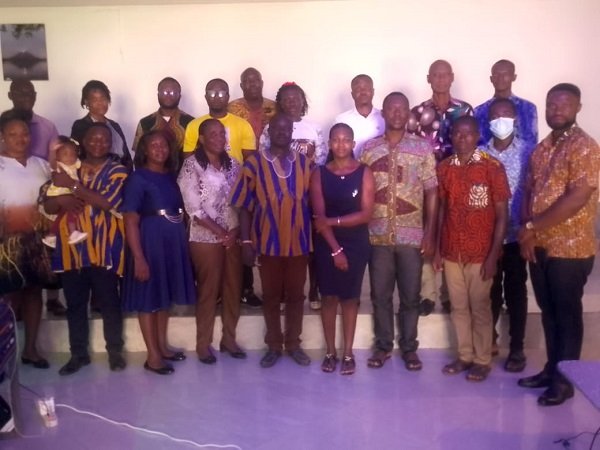
Adolescents across the country are struggling to access comprehensive reproductive health education, held back by misconceptions, cultural norms, stigma, and resistance from parents and caregivers, the Communications Officer for the Alliance for Reproductive Health Rights (ARHR), Nana Oye Gyimah, has said.
She stressed that these barriers continued to stifle open discussion on sexual and reproductive health, denying many adolescents access to the accurate information they needed to make informed decisions about their health and wellbeing.
The ARHR Communications Officer was speaking at a regional policy dialogue held in Dambai, in the Krachi-East Municipality of the Oti Region, yesterday.
The dialogue, organised by ARHR, brought together representatives of the Ghana Health Service (GHS), the Ghana Education Service (GES), the Domestic Violence and Victim Support Unit (DOVVSU) of the Ghana Police, civil society organisations, and traditional authorities, among others.

Nana Gyimah said gender-based violence remained a serious public health and human rights concern, continuing to affect the health, safety and socioeconomic development of women, girls and other vulnerable groups in the country.
She noted that although the country had adopted a number of policy and legal frameworks, including the National Reproductive Health Service Policy and Strategy and the Domestic Violence Act, 2007 (Act 732), implementation remained a challenge.
She therefore called for stronger collaboration among policymakers, healthcare providers, traditional leaders and community members to improve policy implementation, strengthen accountability, and accelerate evidence-based interventions.
She said ARHR had so far held similar regional policy dialogues in two regions Oti and Bono East providing platforms for policymakers and stakeholders to examine the barriers hindering reproductive health education, gender-based violence prevention, and adolescent sexual and reproductive health and rights.
The Acting Oti Regional Director of Gender, Ms Esther Hammond, called on stakeholders to collaborate and coordinate efforts to dispel misconceptions around reproductive health and encourage open discussion between parents and adolescents.
She said access to accurate reproductive health information was crucial to empowering young people to make decisions that would reduce teenage pregnancies, prevent sexually transmitted diseases, and protect them from abuse and exploitation.
Ms Hammond described it as unfortunate that some parents saw reproductive health education as a promotion of immoral behaviour, stressing the need to equip adolescents with the knowledge and life skills required to shape their futures positively.
She urged parents, teachers, chiefs and health professionals to work closely together to create a safer environment where adolescents could seek guidance without fear of stigma or discrimination.
FROM SAMUEL AGBEWODE, DAMBAI
ollow our WhatsApp Channel now! https://whatsapp.com/channel/0029VbAjG7g3gvWajUAEX12Q